
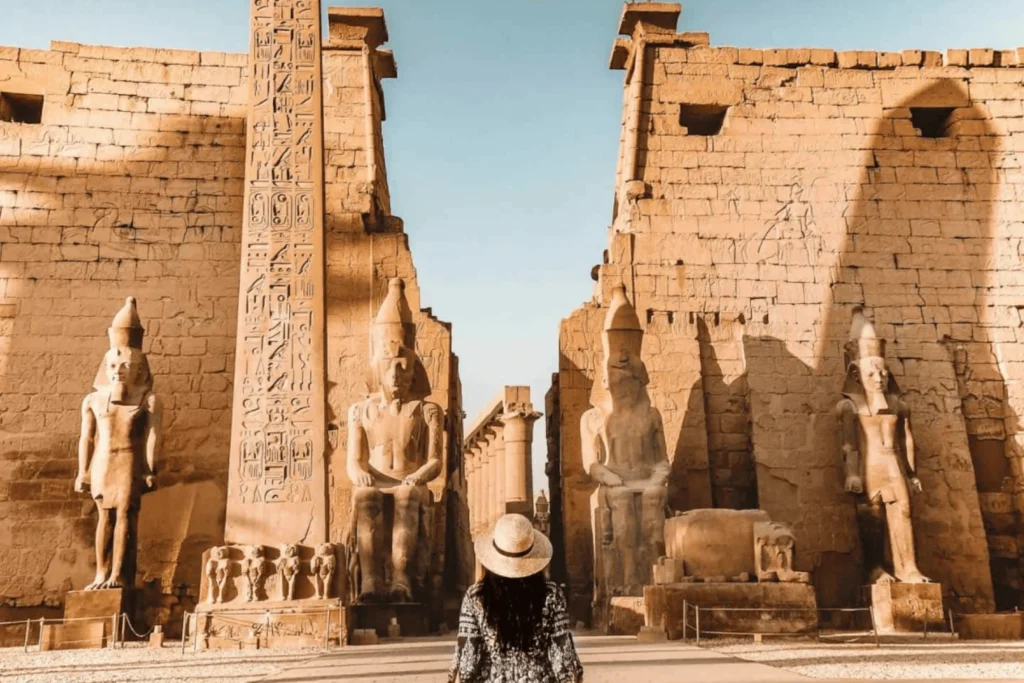
Egypt Ancient Tours
Egypt is not a place that can be perceived at a glance. Every monument is of another chapter of civilization, and in the absence of a definite order, it may seem like a lot to handle. Well-planned Egypt ancient tours allow travellers to understand how architecture, religion, and daily life evolved across thousands of years rather than seeing sites as isolated attractions.
The visits to the locations in chronological order make the journey rewarding, as opposed to moving in between tourist attraction sites. This guide takes a natural path through the country; hence, every location will respond to questions that the last one brought.
Step 1: Start With Cairo’s Earliest Civilisation
Cairo presents the basis of Egyptian history. Most Egypt ancient tours begin here because the earliest dynasties established burial traditions and royal symbolism in this region.
The development of the methods of construction attracts the attention of the visitors instantly. In Saqqara, the pyramid design is experimental with 5 steps, whereas in Giza, it is the perfect design constructed on a large scale. These structures are then linked to ordinary life by the use of tools, jewelry, and preserved objects as museum collections.
The typical introduction day will consist of:
- The Giza Plateau monuments
- Early royal burial grounds
- Social structural explanations in the form of artifacts.
Visiting Cairo will assist the travellers to appreciate why subsequent buildings of temples and tombs were constructed as they were.
Step 2: Why Guided Interpretation Matters
Carvings that have been made in antiquity seem to be ornamental at a glance; however, they serve as documentation of faith, conquests, and ceremonies. Most of the visitors do not get the meaning without a comment. This is where Egypt guided tours become valuable.
Guides help travelers:
- Recognize deities and royalties.
- Knows symbolic forms of animals.
- Follow posts hacked into walls.
Viator helps many travellers to make their schedules in advance to ensure that timings of entry and guiding are all in order. Premeditated visits enable one to pay more focus to the details rather than waiting and seeking information at every location.
Step 3: Move South To Luxor’s Temple City
Once the travellers understand how tombs were constructed in Cairo, they come to Luxor, where architecture was actually architecture of worship and ceremony. Here Egypt monuments tours show how religion influenced city planning itself.
Luxor temples were not free-standing structures. They created interrelated ceremonial paths where they held festivals every year. The huge columns and courtyards were meant to accommodate gatherings, music, and offerings as opposed to a burial.
Key locations include:
- Karnak Temple complex
- Luxor Temple
- Formal processes between buildings.
The view of Luxor following Cairo provides continuity on how the belief systems influenced the day-to-day life with the growth of power.
Step 4: Cross To The Valley Of The Kings
On the western side of the Nile, the custom of burying was totally transformed. Rather than huge pyramids, the kings buried themselves in mountains. These Egypt sightseeing tours explain a shift in priorities from visibility to protection.
Tourists pass through the small corridors adorned by heavenly images and the journeys to the afterlife. Both chambers show the way in which the ideas of life became more sophisticated.
This region features:
- Royal hidden tombs
- Memorial temples
- Statues of guardians at the entrance.
The comparison between pyramids and buried tombs turns out to be one of the most significant ones of the trip.
Step 5: Southern Sacred Complexes
Closer to the south, the monuments are in more peaceful environments along the river. These locations complete many Egypt cultural tours because they reveal regional worship practices and later dynasties.
Here, the temples are more about narration and not size. Seasonal floods, medicine, and astronomy, among other mythological things, are described by carvings. Tourists have frequently observed fine solar placement and symbolism of the river.
Common highlights:
- Shrines on the banks of rivers.
- Astronomical carvings
- Local deity worship centres
It is a calmer and more detailed experience than you had in previous monumental buildings.
Step 6: Connecting Heritage Across Regions
A meaningful route links multiple Egyptian heritage sites into a continuous narrative. Cairo describes genesis, Luxor demonstrates ritual existence, and the southern temples demonstrate progression with time.
A visit to Egypt in this sequence will make the Egypt archaeology tours easier to comprehend since one monument builds on previous information. Travellers are entitled to start identifying recurring symbols and patterns of architecture.
Step 7: Planning A Comfortable Journey
Distances among cities require pacing. The Egypt ancient tours reward patience more than rushing, so making plans beforehand improves the experience.
Helpful planning ideas:
- Visit open places in the early morning.
- Locations in one day near the group.
- Rest during afternoon heat
A balanced schedule helps to avoid mistakes and gives time to take in the environment without hurrying through it.
Conclusions
Structured Egypt ancient tours transform famous landmarks into a connected story rather than separate stops. Since pyramids have their roots in temples of worship and secret graves, one stage leads to the next. Following organized Egypt historical tours and thoughtful Egypt sightseeing tours helps travellers understand not only what they see but why it exists.
Viator helps to organize guided tours and sightseeing programs to allow exploring the city on a day-by-day basis after arrival.
UltimateHolidayz: An online reading center that can make the trip planning experience easier and understand the destination better.
More Stories
Discover the Top Nature and Cultural Experiences in Brazil
Top Canal Cruise and City Sightseeing Experiences Across the Netherlands
Explore the Best of Queensland’s Reefs, Rainforests, and Beaches